MOMS: Show Your Children What GIVING Means

Thanksgiving is this Thursday, so it’s official: The holiday season, with all of its hustle, bustle, shopping, cooking, baking and preparing to travel or receive house guests, has arrived once again! yay.

We all know it’s a time to stop, count and celebrate our blessings, BUT so many of us get caught up for weeks trying buy the right gifts, decorate our houses inside and out, and attend or host parties, only to collapse each night exhausted from the often self-imposed extra work and stress.

Instead of getting so wrapped up on our tasks that we forget to focus enough on the important things, why don’t we make a committed effort to slow down our pace and instead of giving physical gifts, let’s focus on really giving of ourselves, you know, the kind of giving that enters another person’s heart and soul, the kind of giving that can change and improve a person’s day or even their life!


Be a GIVING role model for your children:

  Spontaneously offer to pick up some groceries for a busy neighbor while you’re the grocery store.

  Instead of putting gift cards or money in your Christmas cards, take 5 minutes to thoughtfully note the character traits you most admire and value about that friend or family member, then tell him/her how important he or she is in your life. If the card is addressed to a couple or an entire family, write down a favorite memory you all shared and tell them how much it meant to you and your family.

  Spend one whole day or an entire afternoon with each of your children. Individually (separate those twins), go to lunch and have a conversation centered around that child’s world … his interests; a boy she likes; his hopes to make the soccer team; her dreams to become a professional dancer or a veterinarian! Make the day about your child. In a few years, he will remember that day and your focus on him more than the new video game he got from you this Christmas.

  Ask your close friends if there is ANYTHING that you could possibly do for them during this busy time. Could you take their kids for the day so they could do some Christmas shopping or go to the post office without their kids in tow? Could you drop off a fresh-from-the-market rotisserie chicken and some deli potato salad at a busy friend’s home while they are cleaning and preparing for a house-full of guests arriving the next day?

  Place a Christmas card or a thank you note in your mailbox to let your mail carrier know that you appreciate their hard work during this extra busy workload time for them.

Can we really make a difference?

Are there any people in your life that you know are struggling? Are they facing personal relationship or financial challenges? Are they strained and worried with the additional stress that the holidays can place on them?

Take a moment to list a few people who really could use some encouraging words, some uplifting, some understanding and the assurance that you are there for them no matter what. We all have been, or will be at some point in our lives, in need of some help that we didn’t want to ask for. For now, be that person who acts without having to be asked.

If you’re in a position to help someone … the act of giving of your time, resources, advice or just a listening ear could be what it takes to provide the spring board needed to launch this person’s world out of struggle and into hope.

… and in doing so, your giving-of-yourself will be the best gift you can give yourself, and be very aware that your children are watching.

Blessings ~

Are Your Twins Identical or Fraternal?

As moms of twins …

… especially those whose twins resemble each other, we have become quite accustomed to being approached by curious strangers and having this oh-so familiar question asked: Are your twins identical?

More often, mom and dad want the answer to this question before the babies arrive, and hope there will be a way to find out!

Twinning occurs in approximately 34.5 in every 1,000 births (2016 statistics) and with the increasing use of fertility medications and treatments, these statistics rise slightly each year. In 1980, only 18.9 in every 1,000 births were twins (1/3 of those twins being identical, and the other 2/3 being fraternal).

For those readers who may be expecting a set of twins, and for those who are just fascinated by twin facts (like me), you’ll enjoy the following info!

When referring to the types of twins (identical or fraternal), what’s really being referred to is zygosity, defined as the characteristics of the cell union at or shortly after conception. Identical (monozygotic = one zygote) twins occur when one fertilized egg (zygote) divides into two identical parts. Identical twins possess the same genes (DNA), and may share many similar characteristics. However, since environment plays a large role in one’s physical appearance (in addition to genes), identical twins can actually look different, especially as they age and are exposed to various external factors such as nutrition and physical activity. Identical twins are always the same gender.

Fraternal (dizygotic = two zygotes) twins occur when two separate eggs are fertilized by two separate sperm. They are basically the same as any sibling would be to another, but are conceived within a day or two of the other, share their mother’s uterus at the same time, and are usually born within minutes of each other.

Science has theorized a third type called Polar Body twinning, which occurs when an unfertilized egg divides into two parts and each part is fertilized by a different sperm. The twins would then share one-half of their identical gene set (from their mother). Because it is the father’s DNA that determines gender in all pregnancies, the twins can be either same-gender or male/female.

An ultrasound may be able to determine if a mother is carrying identical or fraternal twins. Some identical twins share the same sac and/or placenta. Some identical twins, however, can have separate sacs, and the placentas of fraternal twins can fuse together to appear as one placenta. Fraternal twins do not share the same sac.

Once the babies are born, genetics testing (through a painless swabbing of the inside of the cheek) is the only real way to determine if twins are identical or not (that is, if they don’t already look completely different from each other, and also, of course, if their genders differ!)

Additional twin facts:

The only type of twins that “run in the family” are dizygotic, because a mother’s genetic tendency to hyperovulate (ovulate more than one egg in one given cycle) can be passed down to her daughter. Although there is really no proven reason known for why monozygotic twins occur, it has been speculated that a rare enzyme found in sperm may cause the fertilized zygote to spontaneously split in two separate zygotes at some point during the blastocyst stage (during which tremendous, rapid cell division occurs) as it moves from the fallopian tube and arrives in the uterus prior to implantation. Conjoined (also referred to as Siamese) twins occur when the final division never fully completes. Conjoined twins can never occur in fraternal twinning, and can only be same gender.

As for my three pairs of twins, I have all fraternal sets. I have two girls (with whom while I was pregnant were suspected to be identical); a boy/girl set; and finally two boys! Having been pregnant three times each with twins, I really don’t know what it’s like to be expecting a single baby. From having none to two, then to four, and then to six has been an amazing experience filled with many blessings as well as many challenges! Looking back to when we were planning just one baby seems like a lifetime ago, but it all has been a journey I thank God my husband and I were chosen to travel.


For more comparable facts about twins types, please refer to this Zygosity Chart comparing Identical, Fraternal and Polar Body twins at multiples.about.com.

Blessings ~

Are you just “Overly-Emotional” or is it Postpartum Depression?

Everyone experiences a natural spectrum of emotions throughout life, it’s just human nature. However, when overwhelming life events directly impact the body’s normal state of well-being, we sometimes lose our abilities to cope as we think we should. Such circumstances may include a death in the family, a long-distance move, or a divorce. But few events directly impacts a woman’s physical, mental and emotional state of being as much as the birth of a child. The sudden changes in hormonal levels as the result of giving birth can result in a feeling of sadness or “baby blues”. When these feelings don’t lessen after a few weeks, or become worse, a woman may be suffering from postpartum depression.

National Vital Statistics report that approximately 10 to 15% of women suffer from postpartum mood disorders (PPMDs), including postpartum depression (PPD), postpartum anxiety/OCD and postpartum psychosis. Statistics report indicates that the total number of clinically recognized pregnancies is around 6.4 million. 15% of that would mean that each year approximately 950,000 women are suffering postpartum depression.

Postpartum depression can occur anytime between one to two days following delivery, up to and beyond a year.

From a personal perspective, I did not suffer from PPD following either of my first two pregnancies. But, I fell into a deep dark place two weeks following the births of my third set of twins. Knowing that this was not normal for me, and also knowing that I wasn’t able to “talk myself out of it”, I asked my OB/GYN for a consultation, and after talking for some time, she prescribed a medication for me that was safe to take while breastfeeding. After a couple of weeks, I began to feel better, more like myself again. It felt as though sunshine was finally breaking through dark heavy clouds that had been looming overhead, raining heavily down on me for weeks, totally exhausting me. I saw color again. Finally, I could pick up the babies without feeling as though they were a threat to me, no longer foreign little bodies posing as the sources of my confusion and grief. If you’ve ever experienced postpartum depression, you can understand what I mean. I could cope with the struggles, challenges and fatigue without crying all the time, and felt the deep, protective love for my babies that was supposed to fill my entire being instead of chronic sadness and fear. I wasn’t completely symptom-free for a few months, but I knew this wouldn’t last forever. I was blessed to have my husband’s understanding, patience and support during my darkest times … and I prayed … a LOT.

Many postpartum depression sufferers just want to know WHEN it will end. Blogger and former PPD sufferer Katherine Stone educates on all areas of postpartum depression on her site: Postpartum Progress. One of her articles lists the six factors that can affect how quickly a woman can recover from PPD. She lists:

1. How long did you suffer from PPD before you reached out for treatment? If you’ve not sought treatment or help for a substantial amount of time, you may be looking at a longer recovery time. Nipping a problem in the bud, as they say, before it grows out of control can be key in reducing the time it takes to come out of the PPD fog.

2. How severe is your illness?

3. How effective is the treatment you have been using?

4. How effective is the doctor or therapist you’re working with? If your symptoms are quite severe, it may take more time, treatment and therapy (and their effectiveness) before symptoms begin to subside.

5. What is your current life situation and how may it be affecting your recovery? It will be much harder to go through this condition without some support. If you’re a single parent, for instance, you’ll have a harder time than if you have the support of your husband or other close family member(s). Whether you are returning to work or are a stay-at-home mother will also play a huge factor in your recovery time.

6. What have you been doing to follow your treatment plan and take care of yourself? The more sleep and the better nutrition you receive, the better, as both allow the body to recuperate and better cope with difficulties and challenges.

There are several physical support groups available, as well as online support blogs to turn to for assurance and understanding. The most important thing to remember is that you are not alone. PPD is a very commonly occurring condition that is well-recognized and well-supported. Don’t suffer alone, and know that you will get through this … the sun WILL come out again.

Fulfilling your nutritional needs will also help balance your hormones and provide you with an overall feeling of wellness. Please remember to eat a balanced diet full of lean meats, fresh fruits and vegetables, whole grains, fresh dairy and take a daily supplement to fill in any nutritional gaps that may exist.

* * *

RESOURCES:

For more information, please visit Katherine Stone’s blog at: Postpartum Progress … together, stronger, where you will find a wealth of information and resources.

https://www.apa.org/pi/women/resources/reports/postpartum-depression.aspx

Also, please visit Mayo Clinic for medical information and treatment options for Postpartum Depression.

Blessings ~


You CAN Breastfeed your Twins!

If you received the news that you’re pregnant with more than one baby, be assured that this news doesn’t mean that your dreams of breastfeeding will not become a reality! In fact, it’s not only possible to breastfeed your twins (or more), but it’s highly recommended and encouraged for both your and your babies’ well-being.

If you have children born singly and you were successful at breastfeeding, then nursing your twins will be a breeze for you. If this is your first pregnancy, do some research ahead of the babies’ arrival. There are many comprehensive books on breastfeeding, and what holds true for nursing single babies, is the same for multiples. The only differing factor, of course, would be the need for a greater milk supply, and perhaps the need for  developing your own system for feedings in order to incorporate all your babies into the “mix” of rotating breast/bottle should you have triplets or more.

Nourish Yourself: Remember what YOU eat is what YOUR BABIES will eat

Choosing what you eat and what you don’t eat is very important before pregnancy, during pregnancy, and after pregnancy. You must be mindful of the foods you put in your body. There may have been a time when eating left over pepperoni pizza for breakfast, drinking diet cola or other high-caffeine sodas all day long, and greasy cheeseburgers for dinner worked for you (or so you thought) at one time, but now that you’re a mom, EVERYTHING IS DIFFERENT. You’re completely responsible for the health, wellness and future growth and development of your babies! I’m not saying that an occasional slice of cheese cake or a lean burger now and then isn’t just fine, but NOW IS THE TIME that you learn the importance of proper, complete nutrition, because it’s not just about you anymore.

Try to eat plenty of fresh vegetables and fruits, dairy such as low fat milk, cheeses and yogurt, lean meats and fish, and lots of whole grains. Take a daily supplement such as your prenatal vitamin or another nutritional supplement source that can fill in any gaps while pregnant and after delivery when you begin to breastfeed your babies.

With all babies, especially premature babies old enough to be tube or syringe-fed, your milk has been formulated specifically for your baby(ies), and is referred to as “liquid gold”. If you plan to breastfeed (which is a routine question you will be asked upon giving birth), a hospital lactation consultant will visit you and either instruct you on pumping your milk (for your preemies in the NICU), or have you immediately put your full-term babies to the breast, either one at a time, or together right from the start.

Breastfeeding for humans, as compared to deer in the meadow, requires some time for learning, exploring and getting familiar with the process. Very importantly, breastfeeding is the best way to begin bonding as mother and child. It is the beginning of a beautiful relationship.

With time, commitment, devotion and love, you will make a wonderful breastfeeding team. Though with multiples, breastfeeding schedules and positions may be factors, the following list of key ways to be successful, are the same that you would follow with a single baby:

12 Keys to Follow for Successful Breastfeeding

1. Begin breastfeeding as soon as possible after birth, preferably within an hour. The first milk from a mother’s breasts during the first few days following birth (colostrum) is rich in protein and other nutrients that help fight infection. If your baby(ies) are placed immediately in the NICU following birth, you will not be able to breastfeed them immediately, but you will be encouraged to begin to use a breast pump to express your milk soon afterward. Your bottled milk will be refrigerated or frozen until your baby is ready to receive your breast milk.

2. Try different positions when breastfeeding. Avoid leaning over the baby. Instead, sit back and bring the baby up to breast level. Use pillows for support (see below for double breastfeeding pillow support).

3. Have your baby suckle on as much of the areola as possible. Note: if it hurts, the latch in wrong. Your lactation consultant will show you how to encourage your baby’s rooting reflexes to open wide and have you roll him up from him opened lower lip up over the areola. He will then latch and pull your nipple up to the roof of his mouth. When sucking begins you should feel a strong pulling, but pain indicates that you need to unlatch and start over. You may become sore at first, but with time, the soreness will subside. Lanolin ointment can soothe and protect, but the best thing to rub into sore nipples is your own, healing breast milk.

4. Alternate the breast your baby begins with each time to reduce some of the soreness you may feel, and in the case of double feeding, alternating will allow each breast to experience the demands and sucking styles of each baby, hence providing equal demands of milk production. In other words, allowing one baby to only nurse on the same breast can result in lopsidedness! Also, if an infection such as mastitis develops, the baby who normally would nurse the infected breast will need to readily accept the other while you temporarily pump-only from the infected breast until the infection is cleared up. Breastfeeding from an infected breast may be suggested anyway, but the milk may have an unfamiliar taste displeasing to babies.

5. Seek an evaluation of your breastfeeding technique by a trained professional during the first 24 to 48 hours after birth. You will receive a visit in your hospital room from a Certified Lactation Consultant who will be available to instruct you on breast pumping, show you how to breastfeed your baby, and provide for tips and advice following your release. If you require more assistance, most L.C.s will come to your home (or you can go to her office with your baby) for further support.

6. Feed your baby whenever she shows signs of hunger. It is crucial that infants be fed on demand, especially in the first few weeks. Although a feeding schedule is routinely helpful with multiples, newborns will definitely let you know when they want to eat! You can expect to sit down and nurse your baby(ies) every 2-3-hours (give or take). As they get older and gain more weight, feedings usually will fall closer to every three hours.

7. Nurse until your baby is satisfied. The fat content of breast milk increases during the suckling session. Let your baby finish the first breast (about 10 to 15 minutes) before offering the second. When double feeding, allow each feeding to last approximately 20 minutes, with a burp break abut mid-point.

8. Burp your baby once or twice during and after each feeding.

9. Avoid pacifiers until breastfeeding has been well established.

10. If possible, breastfeed exclusively during the first six months. Breastfeeding is ideal for your baby’s growth and development. Depending upon your plans, if going back to work is part of them, breastfeed exclusively while you can. You will be able to pump while away from your baby(ies), store the milk for the following day while you’re away, and breastfeed whenever you’re home. Some moms go on to breastfeed or pump for up to a year or more!

11. Do not give supplements (water, glucose water, formula, etc.) to your breastfed newborn unless a clear medical reason exists. You can make a request of your hospital health care team, and to that of your babies, to refrain from those items by explaining that you wish to exclusively breastfeed. In normal cases where no medical issues are involved with you or your babies, the mother’s wishes will be respected.

12. Your diet plays a crucial role in the success of breastfeeding. A diet based on the four basic food groups is recommended, and it is vital that you DRINK LOTS of WATER. A good practice would be to make a habit of keeping a large glass (10-12 oz) of water next to you during your breast feedings, making sure you empty the glass so that within the next two hours, your next milk supply will be full.

Breastfeeding is the absolute healthiest feeding decision you can make for your baby. As much as it is food made by you tailored especially for your baby making it the perfect food, it is, equally importantly, a time of treasured, loving bonding which makes it so much more than a method of providing and receiving nutrition. To do this, however, will require your desire, devotion and commitment in order to see yourself through all the little bumps you’ll probably need to overcome during the initial learning process for both you and your baby(ies).

The 3 P’s of Tandem Breastfeeding your Twins

Feeding multiples can be a long process if you feed them separately, but with a little planning, preparation and practice, you’ll be breastfeeding your twins together. This way they can be comforted, have their hunger satisfied, allow you to empty your full breasts, and be done so you have time to do other things instead of finishing not long before you have to begin the process all over again!

My doubled-up breastfeedings became a smooth process once I came up with my system, called the 3 P’s:

1-  Prepare. Plan out location or locations that you find are most comfortable to nurse. You’ll need enough space to place each baby safely down where, once you are settled in place, you can reach for them one at a time (for example, your bed or sofa) and then place to your breast. I found that nursing in bed worked really well, especially while I was still learning, because I could lay each little one down safely close to where I would sit up against my bed’s headboard. The bed provided all the room needed to comfortably settle down for a good feeding.

2- Pillows. It’s all about the pillows for support and comfort for all three of you. First begin by placing two or three pillows behind your back so that your back, neck and shoulders will be supported and comfortable. Next, create two stacks of pillows (one or two on each side of the back pillows that look like chair armrests) which will be the foundation for each baby and your resting arms. Once you climb into position yourself, reach for each baby who’d already been lying close by, probably hunger-fussing and rooting at their little fists.

3- Positioning. Once you are seated comfortably, reach for a nursing pillow (a u-shapped boppy) and lay it across your lap and the two stacks of supporting pillows on each side of you. Reach over now and lift up the first baby, placing him upon the left of the boppy pillow with his feet facing the headboard of your bed. Hold him with your left arm while you reach with your right to lift the second baby. Position her the same way on the right top of the bobby. This position is called a double football hold, and is the most comfortable and efficient position, I believe. Offer your breast to each open mouth, then hold each baby supporting their heads with your hands. Your arms will lie along side their warm little bodies, and they’ll feel your body as well, providing warmth, security, safety and nutrition at the same time. Doubling up also ensures that one baby doesn’t go hungry while waiting for her turn. Once both babies are nursing, you’ll enjoy the quiet (aside from the soft gulps and coos) and contentment that comes after the baby-crying fest that usually goes hand-in-hand with feeding preparation!

You’ll get the hang of it in no time, and will be soon comfortable and confident enough to spread out to the couch or large comfy chair. My twins and I all breastfeed from between 15-18 months, and each were times I knew were finite, so I relished each moment and cherish the memories with such gratitude.

If I can help you answer any questions about breastfeeding twins, please comment on this post. You can also post questions on my facebook page: TWINS x3 by Fran Pitre.

For more information visit: www.parenthood.com and for all your breastfeeding questions, answers, and support locations in your area, please visit La Leche League International.


Blessings ~


The Inevitable Sibling Rivalry with Twins!


Raising and living with three sets of twins, in all twin combinations, there is bound to be head-butting and creative ways that each child asserts to “get his or her way” around our home.

When my oldest twins were between 9-12 months of age, during their crawling phase, we noticed how our older daughter Kathryn (first-born in every sense of the word, although her birth beat her sister Lauren by only one minute) had begun to subscribe to the notion that “what’s mine is mine, and what’s yours is mine”. For weeks, I’d observe as Kathryn would notice a toy that Lauren was happily examining or playing with, and then crawl over to her and snatch it from her little hands. Lauren would then begin to cry from anger and frustration at the injustice of it! As this went on, Lauren began to learn the drill, and I realized one day that Lauren had a plan and decided to initiate it. She decided to openly display herself enjoying a set of stacking cups so that Kathryn would become interested. As soon as Kathryn crawled over, eagerly snatched the set of colorful cups, and began to sit down satisfied that she’d won yet again, I observed as Lauren crawled over to some board books that she loved dearly. After checking to see that Kathryn was occupied, if only for a minute or so, Lauren was content and began to open the cover of the first book … the object she’d wanted to enjoy all along.

Lauren and Kathryn are now 20 years old. To say they’ve had their share of rivalry over the years would be a true understatement! Several years ago, each graduated to her own bedroom, which cut down on the arguing dramatically, but not completely. Recently, Lauren’s light bulb burnt out in the bedside lamp she uses most to study and do her college homework by. We were totally out of light bulbs in the house, so she decided to go into Kathryn’s room and steal her lamp’s light bulb. When Kathryn discovered that not only did her lamp not work, but that the bulb had been stolen, she was furious, and knew immediately who was probably the culprit! Needless to say, the light bulb went back and forth for a few days until the poor thing bit the dust! Fortunately, I’d replenished our light bulb supply, thus ending the battle of the light bulb!

The longest rivalry between my eldest children has been over Kathryn wearing Lauren’s clothes without her permission. A few years ago, after battling about it for months, a battle I chose to stay out of since I had four more kids to worry about, Lauren decided to create a contract of sorts. She had Kathryn verbally state that she promised never again to take Lauren’s clothing without prior permission, all the while Lauren was recording Kathryn’s official “statement”.

Now don’t think that the sibling rivalry in our home is limited to only our oldest girls. Oh no … our middle twins are a 15-year-old boy/girl set named Erin and Brandon. Although these two seem to play together the best, they also are fiercely competitive! Neither of them can have a dish of ice cream or a plate of spaghetti placed before them that they won’t argue about who has more. Over the years, Brandon has been determined to always be first … first out the door, first down the slide, first while racing bikes, first to get dressed in the morning, and first to finish eating. But, mind you, if the two of them are eating a bowl of chocolate pudding, and Erin was about to finish hers first, Brandon will point out to her that he still has more than her!

For their fifth grade year, I temporarily took Brandon out of the Catholic school that he’d always gone to and placed him into our neighborhood public school due to the excellent intensive reading program that he could benefit from. He’d recently been diagnosed as dyslexic, and the recommendation to have him attend this particular school was made by a reading tutor I trust. He’s doing very well with his class, as is Erin with her class this year. Should Erin, however, mention subject that her class was about to cover, Brandon will jump in with, “Oh, we already learned THAT!”

You know, Brandon was the first born of their twin set, but I sometimes wonder if he was truly meant to be. I wouldn’t be surprised at all to learn one day that, in fact, Erin was positioned to be born first, but Brandon just “cut in line” so he could be FIRST!

As for my last set of twins … they are seven-year-old boys named Sean and Ben. Although Sean was born first, Ben took over the role of “leader” early on, or perhaps I could describe Ben as the one “who simply gets his way” these days. If he wants something that Sean has, Sean doesn’t stand a chance. Ben will throw his 10 extra pounds around and very forcefully remove the Nintendo DS or scooter handle from Sean’s fingers. That’s it. Sean had no defense but to come to my husband and I and “tell”!  I wonder if at some point down the road the tide will change so that Sean can finally have the upper hand.


Here are 10 tips to attempt to keep the peace!

While doing my own research on some fair, effective strategies for dealing with sibling rivalry (between twins or any and all siblings), I really liked the following list from BetterHealthChannel.gov. Our first reaction to these ever-present  scuffles is to simply break up the fight and separate the children, but these tips seem to hit home:

  1. Treat each child equally. Sibling rivalry is normal when two children are close in age or of the same gender. You may make it worse if you treat children differently or favor one more than the other.
  2. Give each child a turn with your undivided attention. Make the time to do things separately with each child so they have some one-on-one interaction with you.
  3. Focus on each child’s strengths. Don’t make comparisons between children as it will only lead to further competition.
  4. Guide your children through difficult emotions. Acknowledge and talk them through feelings of anger, jealousy and resentment.
  5. Teach your children how to manage conflict without you. Show them how to solve problems themselves or to ignore situations like teasing.
  6. Praise your children when they play well together. Your positive attention may encourage them to be nice to one another.
  7. Be fair. Make sure each child gets an even share of privileges and chores.
  8. Reinforce positive behavior. Set up a reward and punishment system, for example, fighting leads to time out but playing nicely earns a privilege such as staying up a little bit later.
  9. Let the children sort out minor differences themselves. Working out ways to compromise with each other will prepare them for healthy relationships in the future.
  10. Be impartial. Taking sides and solving their fights for them is not going to teach your children how to sort out future arguments.

Please also head over to Child Development Institute Info for another great resource for handling sibling rivaly including some common mistakes parents make, and … best of luck!  😉


9 Tips for Surviving Pregnancy Bed Rest!

Whether you developed a complication early, midway or later in your pregnancy, being placed on 100% pregnancy bed rest by your physician can sound kinda nice to begin with, but believe me (and I’m preaching from lots of experience) … it gets pretty old pretty quickly! But this prescription, if you will, has a very important indication: to keep pressure off the cervix so it does not shorten (or continue to shorten) or dilate, as well as to keep your uterus quiet and contraction-free.

So, once you accept the fact that this is your life for the next few weeks or even months, the best way to survive this situation with all its aches, pains and other challenges, is ATTITUDE. My best advice would be to approach each day as a new gift, another day that you’re still pregnant, and that the baby(ies) are still safely inside where they should be. With this thankful attitude, it’s much easier to face each day.


Here are some ways that I found to make the best of bed rest:

1- Switch it up. If your bedroom and a living room/family room are on the same floor of your home, then alternate your scenery by setting up camp on a sofa, and keep the bed for sleeping. You’ll appreciate not having to look at the same four walls day after day. I would NOT recommend however, traveling up and down stairs, so stay on one level.

2- Creature comforts. Surround yourself with your favorite things: favorite pillows, family pictures and other items that comfort you, especially if you’re placed on hospital bed rest.

3- Catch up with friends. Have friends come over and bring lunch! Just because you’re activities are limited, doesn’t mean that everyone else’s are. Chatting and visiting on the phone is another great way to relax and enjoy the company of others. With facebook, and other social media, mommy blogs and forum discussion access today, you can stay connected with (and not feel so isolated from) the world so much easier than even a few years ago!

4- READ! If you enjoy reading like I do, here’s your chance to do all the reading you want! If you’re not a big reader, now would be a good time to rethink that! 🙂

5- Fun with light activities. Movies, board games with friends and family, crochet (I know that sounds so cliché), cross-stitch, and some light craft work while you stay on your side gives you a chance to do something productive.

6- Discomfort solutions. I highly advise that your bed or couch be equipped with some memory foam, and (at the least), the egg crate foam for better comfort on those painful pressure points, such as the hips, shoulders and buttocks. I also recommend a body pillow (or two). These are great for relieving pelvic stress by keeping your top leg resting on the pillow. It also serves as a great book rest! Luckily, when bed pressure pain becomes uncomfortable, your doctor will allow you to take acetomeniphen (Tylenol) which can greatly take the edges off. Stuffy nose and congestion can often be an issue, especially with your lack of circulation, your head not being as elevated as usual, and your increased blood volume expanding your nasal blood vessels. The adhesive strips that you place on the bridge of your nose (Breathe-Right nasal strips) worked wonders for me! Constipation (which occurs naturally with pregnancy) is exacerbated by your lack of activity because activity encourages an efficient metabolism. On top of that, let’s add the constipation-causing IRON supplements that your doctor may subscribe if you’re anemic or have low iron. Solution: eat lots of fiber, along with all your other nutritious foods, cut back on cheeses and other known-constipating foods, and stay hydrated.

7- DRINK! (lots of water, that is). As I stress in my article on preterm labor: DRINK, DRINK and then DRINK some more. Bathroom trips are allowed and very welcomed. The little bit of walking does wonders for your comfort and also helps to avoid developing blood clots due to lack of circulation. Frequent urination also helps to keep the uterus quiet and less irritable. Uterine contractions often accompany a bladder in spasm. Don’t hold your bladder at all because a bladder infection could result, and this type of infection often leads to preterm labor.

8- Eat several light meals a day. Yes, your nutrition is vital to a healthy you, a healthy pregnancy and healthy babies. Bed rest, however, is not the time to eat large, heavy meals. You’ll be asking for heartburn, indigestion and increased constipation problems. Eat 6-7 light meals a day and be sure to include a variety of fresh fruits, vegetables, lean meats and fish, fresh dairy and lots of whole grain. Remember to take your multi-vitamin (either in pill or powder/shake form) in order to fill in the gaps in your body’s nutritional needs.

9- Older children. Having older children can be both a blessing and a difficulty. If they are very young and need constant care, you may need to recruit some live-in help, such as your mom, an aunt, or a very generous friend. If this isn’t possible, you could (as I did for a few weeks) hire a mommy’s helper to assist you with simple tasks under your watchful direction until your husband returns home from work. If your children are school-aged, helping with homework is still very doable. They just have to bring their books and materials to you so you all can work at a coffee table. Remember that your older kids want to help you, so let them refill your water bottle, bring you snacks or pillows, or put in a new DVD! At one point I called my couch my “Central Command Post” from which I could delegate chores, plan activities, plan meal menus a week at a time, create grocery shopping lists for my husband or other aide, and encourage the older kids to help with their younger siblings. I also could see and hear what was going on with everyone, too.

Bottom line: bed rest is manageable. In spite of all its challenges and the many times you just want to get up and go … anywhere, you can always rest assured that you are doing everything possible to keep your baby(ies) from being born too early. Being continually grateful for all the help and care you receive, and meals friends and neighbors bring, will keep you centered and humble. You’ll simply have to give up some control and know that this will end. And when all is said and done, isn’t that worth this temporary condition?

For other tips on coping with prolonged bed rest, visit: Inhabitots.com.

My personal pregnancy bed rest experience …

… I began bed rest at 18 weeks with my first set which lasted until they were born at nearly 31 weeks. I began bed rest with my second set at approximately 20 weeks which lasted a grueling 15 weeks! My third set pregnancy bed rest began around 20 weeks as well, and lasted until I reached nearly 31 weeks, when my sons just couldn’t wait any longer to see the world! And we all made it through it all with lots of support, love, prayer and care!


Blessings ~

9 Characteristics of a Twin (Multiple) Pregnancy

CONGRATULATIONS! You’re Expecting TWINS!

This news can either be elating or devastating to you as the receiving parent-to-be, but either way, happy or traumatized, this news triggers the reality that life will from now on be very different!

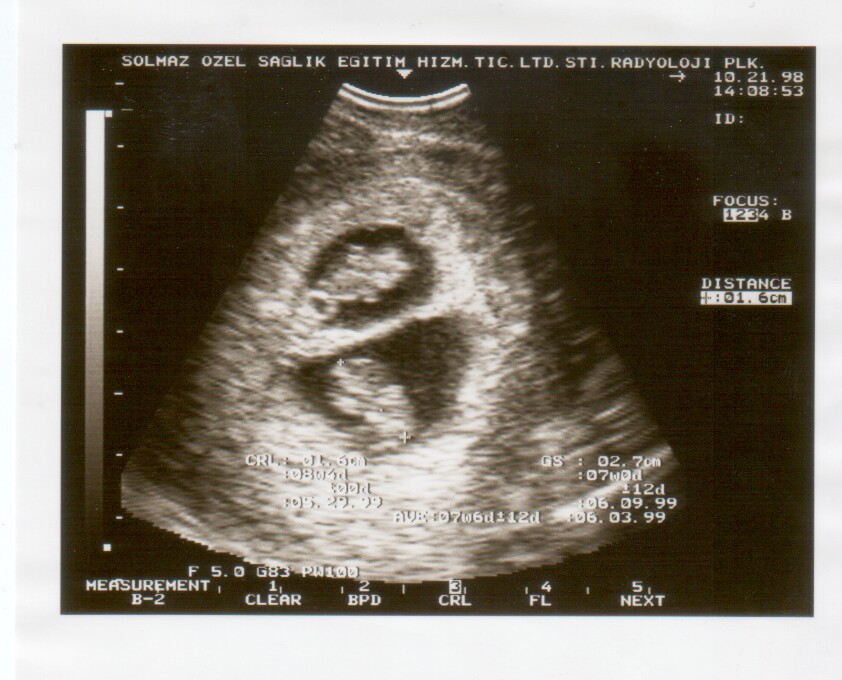
Chances are that if you’re reading this article, you’ve recently seen an image resembling the one on the right show up on an ultrasound machine that you were attached to (and no, this is not one of my scan photos). Oftentimes, this news comes as a complete shock because there is no family history (that you know of) of twins “running in the family” as they say … (‘course they run all over my house). But lately, especially with Assisted Reproductive Technologies (ARTs) so prevalent today, more and more couples are half-expecting to learn that twins, even triplets or more, are ON THE WAY!

I’m not here, however, to discuss how this came to be. It’s a FACT, and when your head stops spinning, the crying eases, and you can finally see straight again, you and your husband need to know what you may expect and need to prepare for, from here on in your pregnancy.

If you’ve already been pregnant and delivered a single baby (aka singleton), you’ll note some similarities but also some differences.

What you may possibly experience while pregnant with twins

1. Prenatal Care: You’ll be advised to seek the care of a Board Certified Obstetrician as opposed to a General Practitioner. You can also expect more visits with your OB/GYN for careful monitoring of your pregnancy progression, especially if a complication develops. You can also expect more screening tests (i.e., blood glucose levels, and ultrasounds).

2. Pregnancy Nutrition: You’ll be asked to increase your intake of iron and folic acid, along with your daily prenatal multivitamin. As with any pregnancy, you should eat foods rich in calcium, iron, and protein. It’s also very important that you drink at least two quarts of water each day to prevent dehydration, which can quickly lead to preterm labor.

3. Morning Sickness: Pregnancy nausea is caused by the levels of the hormone human chorionic gonadotropin (HCG). It’s a fact that this hormone is higher with a multiple pregnancies, so the probability of or higher degree of morning sickness will exist. The good news is that this usually subsides between weeks 12-14. (But when you’re as sick as a dog at 7 weeks, you don’t think week 12 will EVER arrive!)

4. Spotting: Light to moderate spotting can occur in a multiple pregnancy, often due to multiple uterine wall embryonic implantation (which can cause slight bleeding). Some cases are due to the early miscarriage of one or more babies, which doesn’t necessarily mean a miscarriage of every fetus, and the remaining baby(ies) can be carried to full-term. If bleeding, however, is accompanied by cramping and heavy bleeding with clots, it is no longer “spotting”, and could indicate a more serious problem.

5. Weight Gain: Where it’s recommended to woman carrying a single baby to gain between 20-30 lbs., you can expect to gain approximately 35-45 lbs. with a twin pregnancy (and more with triplets and beyond).

6. Gestational Diabetes and Preeclampsia: The risk for these conditions to develop is higher in a multiple pregnancy. These two conditions (high blood glucose with diabetes, and elevated blood pressure with preeclampsia) can be very dangerous for both mother and baby(ies) if not detected and treated. With careful medical monitoring, both conditions can be managed.

7. Twin to Twin Transfusion Syndrome (TTTS): This is a complication that occurs in primarily identical twins because there is a higher likelihood that the two babies will share a single (monochorionic) placenta. This syndrome occurs when, due to blood vessel malformation and distribution the babies receive an imbalance of nutrients, meaning one twin becomes severely over-nourished, while the other becomes severely under-nourished. Careful monitoring and treatment is required with this condition. Twins possessing his or her own individual placenta (i.e., fraternal twins), will not develop this condition.

8. Preterm Labor: Labor generally comes early for a mother carrying more than one baby naturally due to the fact that the uterus cannot stretch any further toward the end of the gestational period, perhaps arriving between 1-4 weeks before the due date. But also commonly occurring in about 50% of twin pregnancies is much earlier preterm labor that occurs because of the faster rate of uterine growth, causing uterine irritability which causes cramping and contractions. Higher order multiples have a 100% chance of going into preterm labor, and with preterm labor, often comes the recommendation for bed rest which could be partial or complete, depending upon the degree of symptoms. Careful monitoring and sometimes medication is required to manage this condition.

9. Delivery: Although it is very possible to deliver twins vaginally if the pregnancy is far enough along (I did, for my 2nd set), and the babies are positioned just right, most often than not, twins are delivered via C-Section. It’s safer for both mother and babies if your gestation is 30 weeks or earlier, and probably much less risky from the standpoint of the delivering physician (and offers much lower medical liability).

For further descriptions and explanations, please visit: Pregnancy Help: What to Expect … Twins and Multiple Pregnancies, an article posted on Epigee ™ Women’s Health, and Expecting Twins? 11 Things You Didn’t Know About Twin Pregnancy, an article by Denise Mann, reviewed by Louise Change, MD for WebMD.com.


My personal twin pregnancy experiences

… included excellent prenatal care for all three pregnancies; multiple screening ultrasounds (which I came to enjoy once the tech said that everything “looks great”); severe morning sickness for all three (requiring medication during twin set 2 and 3), which always ended by week 14 (glorious week 14!); light spotting that lasted a couple of weeks during my last pregnancy, but was of no consequence; the miscarriage of one of my triplets during week 11 of my second pregnancy (but which was not accompanied by any bleeding), and I went to on to deliver my (now-called twins) at 35+ weeks; I gained about 30 lbs with pregnancies 1 and 3, but about 41 lbs with pregnancy 2, because I carried them longer.

I experienced no gestational diabetes nor preeclampsia with any of my pregnancies, nor (because all of my twins are fraternal) did I develop TTTS. I did, however, experience preterm labor with each pregnancy beginning between as early as 18 weeks with my first, and starting as late as 22 weeks with my last. Each led me to 100% bed rest, and although I followed my doctors’ orders, I delivered twins 1 @ 31 weeks, twins 2 @ 35 weeks, and twins 3 @ 31 weeks (to the day as with twins 1!). As far as my deliveries were concerned, you may have heard of the term: V-BAC (standing for a Vaginal Birth After a prior C-section), well, I call my deliveries a “C-V-C”: a C-section, then a vaginal birth, then a C-section. Although my vaginal delivery was no picnic, it was much more rewarding and satisfying an experience, with a much shorter recovery period than either C-section.

If you’re reading this and expecting a set of twins or more, many congratulations to you, with wishes and prayers for a safe, healthy pregnancy, and safe healthy delivery for you!

Blessings ~

Is Being a Mom of Twins What You Expected?

The title of this article was a question asked on a twin-mom facebook page, and after reading it, my reaction was: “Hmmmmm … good question, and really worth exploring!”

As women prior to becoming mothers, we can only imagine what it will be like to have a baby. While pregnant, our imaginations begin to work overtime as we wonder what he or she will look like, and we especially hope and pray that the baby will be healthy. Perhaps, we imagine billowing curtains as we sit enveloped in a flowing cotton nightgown breastfeeding our baby quietly in a comfortable, cushioned rocker to the early morning sounds of chirping birds as the sun streams in along the nursery floor. Ahhhhh, future motherhood.

Not having experienced parenthood, and only going by others’ stated experiences and advice, we anticipate that our amount of sleep will probably diminish once the baby arrives, and that it’ll be challenging at times adjusting to parenthood, but no one and nothing can really prepare you for the realities of parenthood. We truly only learn first hand when the baby arrives.

It will take time for us to live, experience, and look back in retrospect in order to one day answer the question: “Is it what I expected it would be like?”

All new experiences teach us what we didn’t already know. We realize that there are some things that we didn’t know we didn’t know! As brand new mothers, we lay in recovery from labor and childbirth and find that nothing looks the same, everything has taken on new color and new perspective. Everything has changed forever. We’re filled with a joy, anticipation and love that is combined with exhaustion, fear and apprehension. Are we a bit overwhelmed? Oh yes … but we don’t know the definition of overwhelmed until we are hit with the reality that this little person now completely depends upon us for everything from this moment on.

New Parenting X 2

Now let’s imagine that we don’t only have one brand new life depending upon and demanding of us. What if there were two, three or more little people suddenly needing us 24/7? I’ve been asked over the years from moms who had their children one at a time, “How in God’s name did you survive the first weeks or even months with twins? My ONE baby’s colic, sleep inconsistencies, teething, diaper rash, colds, viruses, ear infections and acid reflux almost killed me!”

I’ll admit that there were times that I was holding on to the last fiber of the last inch of my last rope by my finger nails, but I did survive, and actually came out on the other side a now more confident, self-assured, stronger person, just as any difficult experience that tests you to your limits will leave you. As they say, what doesn’t kill you makes you stronger! All moms will admit this truth. Motherhood really toughens us up, and it’s not for wimps or the faint of heart!

Now with the difficult side of new motherhood mentioned, what about discoveries of the wonders, the joys, the amazing moments that we never expected?

Before our babies are born, we truly cannot imagine the incredible, unconditional, complete love we feel for these tiny little creations that we hold for the first (or 1,001st) time. Their incredible beauty, the miracles that they are, the wonder in their eyes, the expressions on their faces only begin to introduce us to our unique privilege to re-experience life through them. As we learn our babies’ likes, dislikes, and habits, and strive to make them happy and safe, we change ourselves in a way, tailoring our routines and placing our own needs after our children’s. Isn’t it amazing how much we change, and (for the most part) really don’t mind giving up some comforts, some of life’s conveniences and pleasures that up until motherhood were routine in our day? For instance, do you remember just waking up on a weekend morning when you wanted to? Or, taking a shower everyday (ha!)? Remembering if it were today or yesterday when you last brushed your teeth? Or, running to the store for something you wanted at a second’s notice, instead of dressing the toddlers and trying to figure out the best method of maneuvering two babies or toddlers and a grocery cart? Or, running out to meet a friend for a quick before work coffee or lunch on your work break?

Enjoy the following compilation of the other moms of twins who’ve answered our title question, asked by twin-mom Courtney:

Kara: Pretty much….I almost cried watching TLC’s multiples. Had to turn it off because it was like they filmed my house. If you’re expecting, I recommend watching it.

Judi: It’s a extra gift from God 🙂 Yes, there are times that it’s a challenge, BUT it’s all worth the effort. My twins are now 21 & I wish I had a lot of the new products that are on the market to help new moms now.

Amy: Better than I ever could have expected 🙂 Definitely hard, but not as hard as I had thought it would be.

Judy: I had no specific expectations, so each day is a new adventure! It’s not as hard as people said it was going to be. At least for me, that is, but I’m pretty easy-going.

Michelle: I agree with Judy so far, but since my girls are just 11 weeks old, I might change my mind many times!

Meagan: … I find myself SO blessed each and every day with double the smiles and laughs and the totally different personalities! Yes, it is VERY stressful at times, you feel like crying(and on some days you do), and you just don’t know what to do… but I think that’s with ALL parents! … My favorite quote that I live by each and every day, “God only gives you what you can handle”! So by that, we’re all doing great!!

Ashley: I never know what to expect but I love it and would never change it.

Christa: I don’t remember having too many expectations before hand, with the exception of coming home with two babies…… 10 years later ….. no one would have ever thought to expect the ride you get from having twins…. my advice stop expecting and let life happen 😉

Jessica: I thought it would be a lot harder so its a piece of cake. Now I have a cousin having triplets and I am the only one who told them it wouldn’t be that bad. Everyone else scared them, but I’m the only one who had more than one at a time so it made them feel much better.

Courtney: I thought the first year was absolute misery (just being honest!!) and feel like I had NO idea it would be that hard! BUT! After that first year, I feel like twins become so much easier than singles!! I was surprised by that too! I mean, for so many reasons… they can’t get into too much trouble because they tell on each other. lol. They also entertain each other and help one another… learn from each other…. the list goes on!

Luann: I agree that I didn’t know what to expect, except for a lot more diapers! I knew it was going to be hard but what in life isn’t? Everyone asks me, “how do you do it?” Especially now that I’m a single mom. I always answer, “one at a time!”

Lee: Yes and no. I really do not have anything to compare it to since these were my first kiddos. We were really surprised but I do have to say ever since I was a little kid I always said I was going to have twins … I am the only one in my close family with twins … so that has made it hard since no really knows what it is like and cannot really help out with different questions I have. We are part of that special twin group and I love it. I would not trade it for the world even though it can be hard at times … my b/b twins bring so much joy, fun and learning to my life I just have to sit back and smile. I had a friend tell me that “God only chooses special people to have twins!” and I am a believer in that!

Liaco: Wish I could say it was all sunshine and roses, but that would not be the truth. However, it was not so bad that we decided to have another baby 🙂 I would not trade the good, the bad, and the ugly for anything else in this world. As hard as some days are, other days are so joyful, that I would not imagine not having these beautiful little girls in my life. These girls make my life better and MUCH more colorful.

Hillary: Courtney, I’m hanging on every word u say and hoping it gets easier … mine are 9 months and this could possibly be the most tired I’ve ever been in my life!!! 🙂

Lori Anne: I really didn’t “expect” anything… they were my first, so I had no prior experience, and I was going through a divorce and knew I would be raising them by myself. So… I made a promise to myself:one obstacle at a time. … I believe it not only helped me, but it helped my sons as well. They are almost 2 and they have a schedule, and they are very happy boys. There is rarely crying and fits involved in the daily activities. They are very independent and I am very grateful that they are as good as they are. In my opinion, sometimes people focus too much on expectations and future decisions, instead of concentrating on the “now”.

Sara: I have to be honest….The first year was very easy for me. My husband and I did not have “in house” help and we also have another young child, but everything clicked. The twins ate and napped and slept at the same time … I was very fortunate. Then they turned ONE. They still eat, nap, and sleep at the same time, but they are a lot to handle. They just turned two, and are still a lot of work, but it has calmed down. My point is: you never know what you’re going to get.

Cara: They made my first two singletons seem really easy (and they did not seem easy at the time). I guess it has given me … um … perspective?

Bambi: It was so much harder than I ever imagined. I had already raised three children, but nothing could’ve prepared me for twins. Perhaps I simply had difficult twin babies??


Expectations vs. Reality

No one can possibly predict or imagine what life is going to present to us each day. Are those expectations we have about certain future events in our lives something we do intentionally or do our imaginations and dreams just entertain us with images or scenarios of what might be?

As it turns out, life rarely gives us what we expect! When it comes to our expectations or preconceptions (pun intended :)) about motherhood, especially twin motherhood, the only things to expect is the unexpected!

During a visit to my mother-in-law’s home when my last set of twins were six months old,  she and I began reminiscing about the early weeks following the babies’ arrival (during which she was temporarily with us to help with the other four children). I said, “Oh yes, those were some challenging times!” She quickly replied, “Challenging, no. It was HARD.” And those were my 3rd set!

We may gain experience, but as all moms know, each child is different, and each time a new baby (or babies) arrive, we face new challenges with our older children’s continued needs in addition to our new babies’ needs.

Difficult, busy, challenging and exhausting … those are reasonable expectations for any new mom to have. A realistic description of, as in the opening example, of breastfeeding our babies may consist of doing so while the our other kids run through the house noisily, while one baby won’t eat and continues to cry, while we wince as our sore nipples hurt, and we sit beside the clean, unfolded laundry piled up on the sofa next to us, and we realize we should’ve taken the pork chops out of the oven BEFORE sitting down to nurse … BUT there will be those moments when the sun streams in as the breeze billows the curtains as we look down at our tiny, sweet nurselings and look over at the bunch of wildflowers our toddler brought to us next to us on our night stand …

… just wait and see.

Blessings ~



Naming Your Twins: What You Should Consider

Choosing a Child’s Name!

If you’re like me, you’ve had that little list of favorite names that you’ve possibly collected for years … long before you were expecting a baby or even married! Once pregnancy occurred and birth became inevitable, however, choosing a name was no longer a fantasy, but now a reality.

Parents consider their children’s names for different reasons. Some choose to name their son after his father, or daughter after her mother (or a combination of them). Some use family names passed down for generations. We selected my maiden name and the maiden names of our my and my husband’s mother for three of our children’s middle names.

Some parents prefer trendy or cute names. Some select names that are very unique and rarely if ever heard before! My neighbor’s two adorable daughters (ages 6 and 4) are named Cayenne and Calliope. Some choose their children’s names to begin with the same letter or end with the same letter of their older children. And some choose a name for what it stands for in another language or for the meaning associated with the name’s origin. Some change the traditional spelling of their child’s name for a creative, unique touch. It’s a completely personal choice, and it can be a very enjoyable or very difficult process!

Although we want very much for our precious children to have special names that have meaning or significance to us, we must remember that our children won’t always be cute babies. Our cute or trendy name choices are the names our children will grow up with and have their whole lives. Have you ever heard a name that sounds fitting for a baby, but would sound silly when he or she is grown and becomes a corporate executive? It’s important to try and picture ourselves in the place of our child and ask, “Is this a name I would like for myself throughout my life?”


Naming Multiples

Learning that you’re expecting twins only increases the challenge of choosing names. We’ve all heard of the twins named “Molly & Polly”. In generations past, parents with twins tended to treat their twins as a pair more so than today, where the importance of asserting individuality has been realized.

Especially with identical twins sets (triplets, or more), rhyming or sound-alike names can instill in them the rightful sense of belonging, but may possibly lead the individuals to need, seek or create alternative ways to exert their unique individuality from their twin sooner or later. They may like or greatly dislike having a name that rhymes with or sounds like their twin’s name.

As moms and dads of multiples, what do we consider when naming our children? Do we attempt to group our children as “the triplets” and thus name them as a set, such as Andy, Randy and Sandy? Or, do we feel that being a member of a multiple set requires all the more effort for establishing differences and spotlighting individuality.

Should either approach be considered right or wrong? Of course not. It’s truly a matter of personal preference. Being mindful, however, of the unique perspective and future feelings of the individual child (and ultimate adult) who happens to a member of a multiple set, is a very important aspect to consider when choosing your children’s names.

My husband and I named our first twin daughters Kathryn and Lauren. Both are family names and happened to end in the letter “n”. The ending “n” wasn’t really intended, but we liked it, so when our (surprise!) second set of twins (a boy and girl) were born, we chose Erin and Brandon. Clearly not fathoming the possibility of having a third set, but wanting to continue our tradition when we learned they were on the way, we chose Sean and Benjamin for our little boys!

Here’s an example of twin naming that may be considered outrageous (and just over the edge of creative). My mom was a kindergarten teacher’s aid in an elementary school where a set of twins in her class were named: “Lemónjello and Orángejello”. Seriously, they were named after Lemon Jello and Orange Jello, just with the emphasis over the accented letters. (???!!!) … I kid you not.

On the other end of the spectrum are two of my personal favorite twin name combinations that belong to two different families who have multiples. On family named their triplet girls; “Faith, Hope and Joy”, and another family named their twin boys “Aaron and Zachary” (a & z). A cool treatment for boy/girls twins could be: “Nadia & Aidan” (the letters are reversed).

What are your multiples’ names?

How did you choose them?

How do your school-aged children feel about their names?


Popular Names for Twins

If you’d like some ideas for naming your babies, here are the top 10 names for TWIN COMBINATIONS in 2011 from TwinParenthood.com.


TWIN GIRLS:

1 Ella, Emma
2 Olivia, Sophia
3 Gabriella, Isabella
4 Faith, Hope
5 Ava, Emma
6 Isabella, Sophia
7 Madison, Morgan
8 Ava, Ella
9 Ava, Olivia
10 Mackenzie, Madison

TWIN BOYS:

1 Jacob, Joshua
2 Ethan, Evan
3 Jayden, Jordan
4 Daniel, David
5 Matthew, Michael
6 Landon, Logan
7 Elijah, Isaiah
8 Jacob, Joseph
9 Jayden, Jaylen
10 Isaac, Isaiah

GIRL/BOY TWINS:

1 Madison, Mason
2 Emma, Ethan
3 Taylor, Tyler
4 Madison, Michael
5 Jayda, Jayden
6 Madison, Matthew
7 Samuel, Sophia
8 Addison, Aiden
9 Olivia, Owen
10 Zachary, Zoe


For the complete list of 50 names for all twin combinations, visit: TwinParenthood.com. For other twin name suggestions as well as other considerations, please visit Baby Names for Twins at About.com.

Blessings ~


Colic: A Real Challenge for Moms of Twins!

Sonja, a mom of infant twins, posted a urgent request for advice on a twins group forum because she was exhausted, frustrated and pulling her hair out over one of her twin’s relentless bouts of inconsolable fussing and crying. She researched her baby’s symptoms online, and “colic” was concluded based upon the symptoms she listed. Sonja struggles to figure out how to calm her baby, while also caring for her other infant.

Sonja’s daughter, along with 25% of all babies’ colic symptoms include:


•  fussiness, bouts of screaming, and high-pitched crying;

•  crying episodes beginning around the same time of the day, any given day, for no apparent reason, and lasting from a few minutes to up to several hours;

•  demonstrating discomfort by drawing up her knees, clenching her fists and refusing to eat, often passing gas or having a bowel movement toward the end of the episode.

• and no amount of rocking, attempts at feeding, burping or soothing improve her discomfort … she only screams all the more when she’s placed in her baby swing or bouncy seat.

What is an exhausted, frustrated parent to do?


Colic Defined

According to Mayo Clinic “colic” in babies is defined as crying more than three hours a day, for three days a week, for more than three weeks in an otherwise well-fed, healthy baby. Colic is characterized by sustained crying in an otherwise healthy baby for a regular period of the day lasting for several weeks.

Parents of colicky babies experience enormous frustration because despite every effort to soothe and quiet their baby, nothing seems to work. The fact that these bouts of sustained crying last for 3 or more hours at a time can wear down family members, both mentally and physically. Colic may begin as early as 2-3 weeks of age, and last as long as 6 months (most commonly ending about 3 months), so yes, it does eventually end!

Possible Causes of Colic

There is no real scientific, medical cause of colic, but many doctors believe that it may be due to an immature digestive system, or possibly lactose intolerance, or perhaps a reaction to overdoses of neurological and sensory stimulation, the baby reacting to maternal anxiety or an inconsistency in the way the baby is comforted and fed.

Babies whose mothers smoked during pregnancy have a greater chance of developing colic. This condition occurs in both formula-fed and breast-fed babies and the breastfeeding mother’s diet is not likely to trigger an episode.

Recommended Remedies for Colic

… and the restoration of mom and dad’s sanity!

Colic symptoms usually end by the age of 3 months, but while symptoms persist, many parents give their babies medication to ease gas, such as simethicone drops (Gas-X infant drops, Mylicon, etc.), but haven’t found these particularly helpful.

Probiotics are now being given to help balance the good bacteria in baby’s sensitive digestive tract.

Some alternative medicine that some parents try include herbal tea, fennel oil herbal therapy, glucose, and massage therapy.

Some pediatricians allow parents to try “gripe water” (popular in England and some European countries). Our twins group mom Sonja purchased a bottle labeled Colic Ease Gripe Water from a local health food store, and has reported a noticeable improvement in her baby. This herbal therapy is indicated for reflux and colic symptoms. Sonja described her baby as sleeping more soundly and eating more comfortably since she began giving her the gripe water.


What you can do to soothe your baby

The following suggestions are activities that I, along with many other parents, have tried with my colicky babies, and found some relief:

 Rocking: Motion soothes babies. They were used to your every movement before they were born, so motion comforts them.

• White noise: Background noises such as the sound of your washer or dryer, soothing music, even traffic out of an opened window, your bathroom fan, even a vacuum cleaner can quiet and distract baby from crying.

• Feeding: If she appears hungry, feed her. Breastfeeding babies don’t know when it’s “time” to eat, they just know when they feel hunger or simply want to be held and breastfed. Although each and every bite that you put in your mouth shouldn’t be scrutinized as to how it may affect your baby, do be mindful of foods that you know can cause excessive gas, or foods that are especially spicy, as these may affect your breast milk’s digestibility.

• Warm/cool therapy: Some parents believe that a warmth on baby’s abdomen is helpful. Place your baby tummy down on a hot water bottle to relax the tummy muscles that he has tightened during his crying episode. Sometimes, too, a cold towel on baby’s tummy can decrease tension and any inflammation caused by the tummy discomfort.

• Take a break: Allow someone else to take over for a while (husband, mother, mother-in-law or other close friend or family member).

When it’s NOT Colic

Before concluding that your baby is temporarily “colicky”, it’s important that you rule out any other possible condition that could cause similar symptoms. Babies can quite commonly suffer from reflux, a condition where stomach acid rises in the esophagus causing a burning sensation. Spitting up may or may not accompany this condition, so it’s commonly mistaken for colic. Ongoing cases of chronic reflux is known as GERD (gastroesophageal reflux disease). Many parents have found nearly immediate improvement when the appropriate treatment, such as an acid relief medication made specifically for infants. If formula feeding your baby, ask your pediatrician or certified nutritionist for formula recommendations specifically indicated for sensitive tummies, especially for your preemie baby(ies). Check with your pediatrician before giving your baby any medication.

Also, if symptoms persist around the clock, with no spans of symptom-free time, have your pediatrician thoroughly examine your baby for any other pain or discomfort sources.

Coping with Colic

Sometimes after persistent bouts of infant colic, nerves and emotions can escalate to the point when you want to pull out your hair, when you feel like you can’t take it any longer, please:

• Place your baby in a safe place … like a crib, safely buckled into his swing or car seat, and walk away. Step outside and breathe in some fresh air, or find any other distraction or activity in order to place a little distance between yourself and your baby. Even the most loving, patient, caring mother can lose control due to being completely overwhelmed and exhausted.

• Locate some support … (family member or friend) that you can talk to, spend some time with, and express your frustrations to, so that you know that you’re not alone in this challenging time.

AND REMEMBER that this will NOT go on forever! It will end and when it does, you will know that you survived one of the most difficult trials of parenthood.

Blessings ~